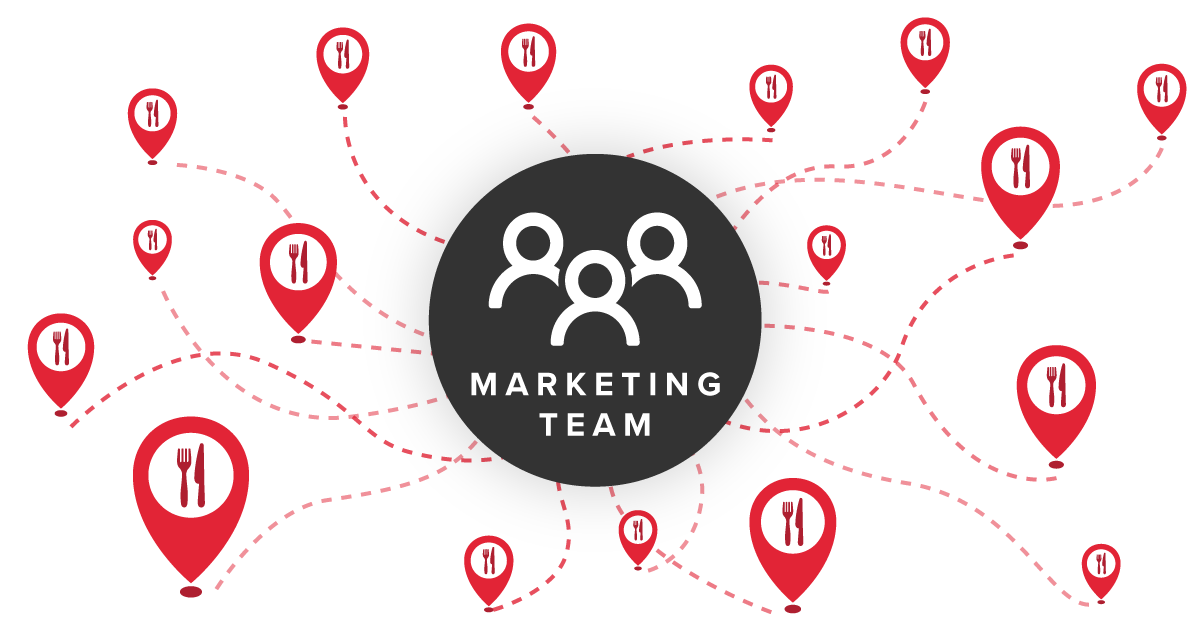




One of the loudest things we hear when we talk to large hospitality companies is the frustration in marketing over owning the menu - they hate being the bottleneck. We hear stories about marketing taking requests from restaurant operators for changes, needing a week or two to turn them around, only to get a fresh batch of changes before the first are even published.
Why does marketing own the menu and what are these bottlenecks? If we can answer this, then we can apply solutions to free up staff hours and help energize the customer experience.
3 Rules of Branding
 Brand is carefully chosen and specifiedStrong branding requires consistencyBrands cannot tolerate design accidents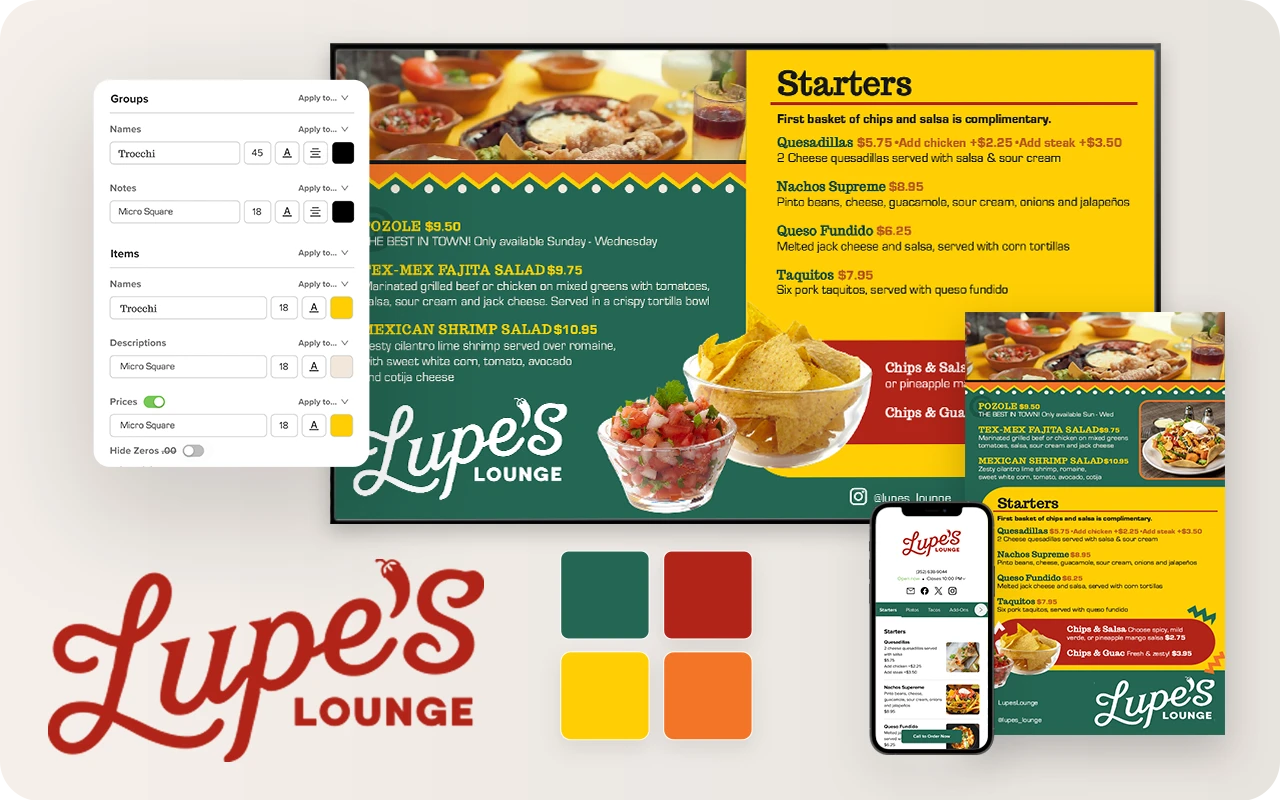
Marketing Owns the Brand
Marketing is the keeper of the brand in visual promotion, the brand narrative, and the communication of value. The menu is one of their primary brand vehicles, presenting the food and beverage experience through language, logos and images, and through fonts, colors, and layouts. These elements are carefully orchestrated into a whole that creates a mental placemark that ties pleasurable dining experiences together and keeps customers coming back for more.
The brand is not something to be messed with. Even a slight alteration of a font or layout can dilute the power of the brand to stick in the minds of customers. Think of the Coca Cola red can. Or the Disney castle logo. These images come easily to mind because they are guarded and duplicated in exactly the same way for countless customer touches. When you serve the public, this total recall is exactly the effect you want to produce.
A brand is sacred even at the menu level. If they anticipate accidents in brand presentation, Marketing simply will not want others to touch the menu.
5 Ways Marketing Bottlenecks Menus
Marketing Own the Tools
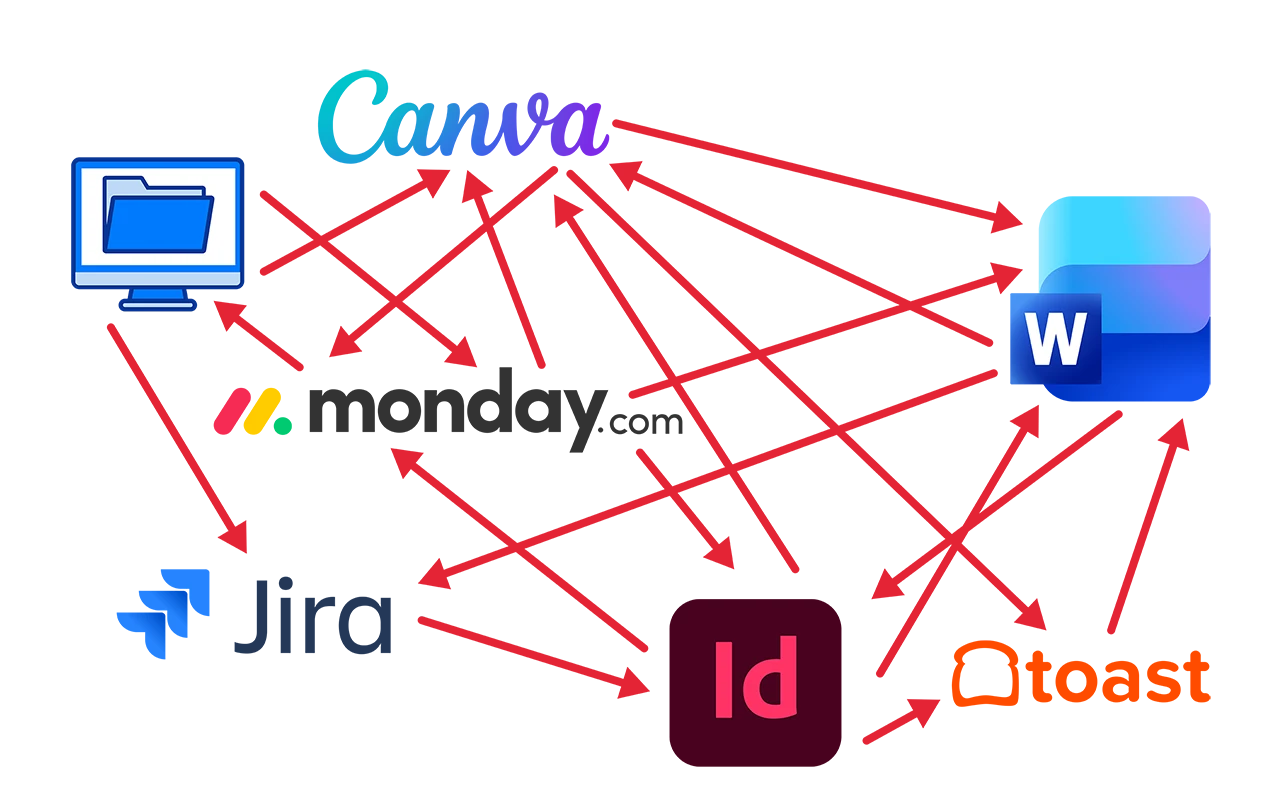
When it comes to designing, it's common that Marketing owns the tools, or are the ones who best know how to use them. We're talking about mainstream design apps like Canva and InDesign, the classic choices for page layout work like presentations, promotions, banners and ads.
While these apps can create a nice-looking menu, they simply aren't effective for menu updates - the primary job to be done. They are good at floating text, but not data, and menus require very precise and technical data structures. Since there is no data structure in Canva or InDesign, any menu update is likely to break the layout requiring clean-up, which greatly adds to the time turnaround and overall burden on marketing.
Menu Updates, Incoming!
Finally, the stress on marketing is compounded by the typical chaos of how menu update requests are made. We have seen sticky notes put on menus or a napkin with scribbled changes - these things happen. Most commonly, an operator will email changes to the marketing team, which then produces a whole thread of back-n-forth that can be hard to follow and slow.
Some advanced multi-location hospitality groups have attempted to tame the process by using a professional project management system like Jira or Monday.com. While this can ensure work gets done, it still represents a secondary system outside the flow of menus that introduces work and delays.
 Notable
MustHaveMenus Promises Better Tools, Better Process
Many hospitality marketing teams are sitting with what feels like a never-ending backlog of menu updates. They are weighed down by a process that may have been in place for a decade or longer.
MustHaveMenus has spent the past decade perfecting a menu management solution that provides dramatically better menu tools while distributing the menu update workload back to operators. Operators are empowered. F&B teams have input. And marketing gains oversight on the process, ensuring their ability to accomplish their mission of upholding the brand. It's a small revolution that really has a big impact on the bottom line.